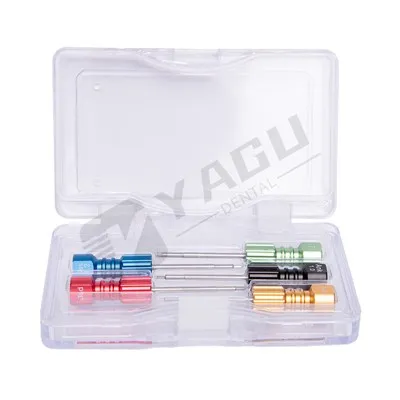
Nobel Temporary Abutments are an essential part of dental implants, and one of the most critical aspects of their performance is corrosion resistance. As a supplier of Nobel Temporary Abutments, I've often been asked about how well these abutments can stand up to corrosion. So, I thought I'd write this blog to share what I know.
First off, let's talk about what corrosion is and why it matters in dental implants. Corrosion is the deterioration of a material due to chemical reactions with its environment. In the case of dental abutments, the environment is the oral cavity, which is a complex mix of saliva, food particles, bacteria, and acids produced by bacteria. All of these can potentially cause corrosion if the abutment material isn't resistant enough.
When an abutment corrodes, it can lead to a whole bunch of problems. For starters, it can weaken the structure of the abutment, which might cause it to fail prematurely. This can be a real hassle for both the dentist and the patient, as it usually means having to replace the abutment, which is an extra expense and requires additional dental procedures. Also, corroded abutments can release metal ions into the oral cavity. These ions can cause allergic reactions in some patients and might even have long - term health implications.
So, how resistant to corrosion are Nobel Temporary Abutments? Nobel Temporary Abutments are typically made from high - quality titanium alloy. Titanium is well - known for its excellent corrosion resistance. It forms a thin, protective oxide layer on its surface when exposed to oxygen, and this layer acts as a shield against further corrosion.


This titanium alloy used in Nobel Temporary Abutments has been carefully engineered to enhance its corrosion - resisting properties. It can withstand the harsh conditions of the oral environment, including the acidic nature of some foods and the abrasive action of chewing. Even when in contact with complex saliva, the oxide layer on the abutment remains stable and prevents the underlying metal from corroding.
Let's take a closer look at some of the factors that contribute to the corrosion resistance of these abutments. For one, the manufacturing process plays a crucial role. Nobel uses advanced manufacturing techniques to ensure that the abutment has a uniform composition and structure. Any inconsistencies in the material could create weak spots where corrosion might start.
Also, the surface finish of the abutment matters a lot. A smooth surface finish reduces the chances of debris and bacteria sticking to the abutment. When debris and bacteria accumulate on an abutment, they can create a micro - environment where corrosion is more likely to occur. Nobel Temporary Abutments have a smooth, polished surface, which helps keep the abutment clean and less susceptible to corrosion.
Now, when comparing Nobel Temporary Abutments with other similar products on the market, they really hold their own in terms of corrosion resistance. For example, if you consider Casting Abutment, while it has its own advantages, the corrosion - resistant properties of Nobel Temporary Abutments due to the high - quality titanium alloy are often superior.
Another product, Dentium 14mm Premill Abutment, is also a popular choice. However, from my experience as a supplier and from feedback I've received, the specialized titanium alloy in Nobel Temporary Abutments provides better long - term corrosion protection.
And then there's the Dentium Multi Unit Impression Coping. While it serves a different function in the dental implant process, when it comes to the same aspects of corrosion resistance in the oral environment, Nobel Temporary Abutments have a clear edge thanks to the carefully selected and manufactured titanium alloy.
As a supplier, I've had many customers ask about how they can maintain the corrosion resistance of the abutments. The good news is that it's not too difficult. Patients should maintain good oral hygiene. This means brushing their teeth regularly, using dental floss, and visiting the dentist for regular check - ups. Dentists can also provide proper guidance on cleaning the implant area to prevent the build - up of plaque and debris, which could potentially lead to corrosion over time.
It's also important to note that although Nobel Temporary Abutments have great corrosion resistance, they're still temporary. They're designed to be used for a limited time during the dental implant process. After the final restoration is in place, the temporary abutment is usually removed. This is a safety measure as well, ensuring that the patient has the best possible long - term dental health.
In the long run, the corrosion resistance of Nobel Temporary Abutments makes them a reliable option for dental professionals. They can have peace of mind knowing that the abutments will last throughout the temporary use period without succumbing to corrosion. This quality also translates into happier patients, as they don't have to worry about the problems that corroded abutments can cause.
If you're in the dental industry and looking for high - quality Nobel Temporary Abutments with excellent corrosion resistance, I'd be more than happy to assist you. We have a wide range of these abutments in stock, and we can provide you with all the details you need, including product specifications, pricing, and delivery options. Don't hesitate to get in touch if you're interested in purchasing. Whether you're a small dental clinic or a large dental supply chain, we're equipped to meet your needs.
Just reach out, and we can start the conversation about how these corrosion - resistant Nobel Temporary Abutments can be a great addition to your dental implant procedures.
References:
- Dental Implant Materials and Their Clinical Performance - A Review, Journal of Dental Research
- Corrosion in the Oral Cavity: Mechanisms and Implications for Dental Materials, International Journal of Oral and Maxillofacial Surgery