As a supplier of dental implant tools, I've witnessed firsthand the importance of understanding every aspect of these instruments. One critical factor that often goes unnoticed but has significant implications is the heat generated by dental implant drills. In this blog, we'll explore the various effects of this heat and how it impacts dental implant procedures.
Physiological Effects on the Surrounding Bone
Osteonecrosis
The most immediate and severe effect of excessive heat generation during dental implant drilling is osteonecrosis, the death of bone tissue. When the temperature at the drilling site rises above 47°C for more than 60 seconds, the osteoblasts, which are responsible for bone formation, start to die. This can lead to a poor osseointegration process, where the implant fails to properly fuse with the surrounding bone. As a result, the implant may become loose over time, increasing the risk of implant failure.

Reduced Bone Healing
Even if the temperature doesn't reach the threshold for osteonecrosis, elevated heat can still slow down the bone healing process. Heat can damage the blood vessels in the bone, reducing the blood supply to the area. This lack of blood flow means that essential nutrients and oxygen are not delivered efficiently to the bone cells, delaying the repair and regeneration process. Patients may experience longer recovery times and increased post - operative pain.
Inflammatory Response
Heat - induced damage to the bone can trigger an inflammatory response in the body. The immune system recognizes the damaged tissue as foreign and sends white blood cells to the area. While inflammation is a natural part of the healing process, excessive inflammation can cause swelling, pain, and discomfort for the patient. In some cases, it may also lead to the formation of scar tissue, which can interfere with the proper placement and stability of the implant.

Impact on the Implant Itself
Surface Alteration
High temperatures can cause changes to the surface of the dental implant. The implant's surface is carefully engineered to promote osseointegration, often with a specific texture or coating. Excessive heat can damage this surface, altering its chemical and physical properties. For example, it may cause the coating to delaminate or the surface to become rougher in an uncontrolled way. This can reduce the implant's ability to interact with the bone, negatively affecting the long - term stability of the implant.
Microstructural Changes
Heat can also cause microstructural changes within the implant material. Most dental implants are made of titanium or titanium alloys, which have specific mechanical properties. Elevated temperatures can lead to grain growth and other microstructural alterations in the titanium, potentially reducing its strength and fatigue resistance. This can increase the risk of implant fracture over time, especially under the normal forces of chewing.
Influence on the Surgical Procedure
Operator Fatigue
When heat generation is a concern, the dental surgeon may need to take more breaks during the drilling process to allow the bone to cool down. This can increase the overall duration of the surgical procedure, leading to operator fatigue. Fatigue can affect the surgeon's precision and concentration, increasing the risk of errors during the implant placement. Additionally, longer procedures can be more stressful for the patient, who may have to remain still for an extended period.
Increased Cost
The need to manage heat generation can also increase the cost of the dental implant procedure. Specialized cooling systems or drills designed to minimize heat may be required. These tools are often more expensive than standard drills. Moreover, longer surgical times mean increased use of operating room resources, such as staff time and equipment, all of which contribute to the overall cost of the procedure.
Strategies to Mitigate Heat Generation
Irrigation
One of the most common methods to reduce heat generation is irrigation. By continuously irrigating the drilling site with a cooling solution, such as saline, the temperature can be kept within a safe range. The irrigation fluid helps to carry away the heat generated by the drill and also removes debris from the drilling site, improving the visibility and efficiency of the procedure.
Drill Design
Advances in drill design have also played a crucial role in minimizing heat generation. Modern drills are often designed with features such as flutes and cutting edges that are optimized to reduce friction and heat. For example, some drills have special geometries that allow for better chip removal, which in turn reduces the amount of heat generated during the drilling process.
Speed and Pressure Control
Controlling the speed and pressure of the drill is another important strategy. Operating the drill at an appropriate speed and applying the right amount of pressure can help to prevent excessive heat generation. High - speed drilling can generate more heat, while applying too much pressure can also increase friction and heat. Dental surgeons need to carefully adjust these parameters based on the patient's bone density and the type of implant being placed.

Our Company's Contribution
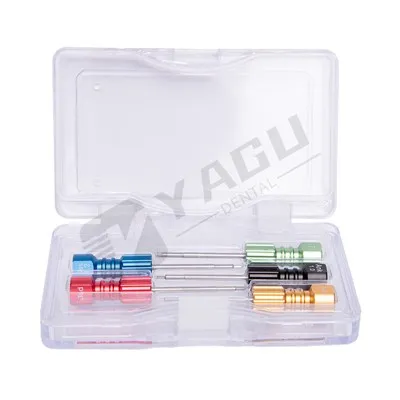
As a dental implant tools supplier, we are committed to providing high - quality products that address the issue of heat generation. Our Implant Screw Drivers are designed with precision and efficiency in mind. They are made from high - quality materials that can withstand the rigors of the dental implant procedure while minimizing heat generation. Our Bone Chip Maker is another innovative tool that is engineered to reduce heat during the bone preparation process. By carefully shaping the bone chips, it helps to maintain a lower temperature at the drilling site. And our Dental Implant Screwdriver is designed for smooth and accurate screw placement, reducing the need for excessive force and heat generation.
Conclusion
The heat generated by dental implant drills has far - reaching effects on the bone, the implant, and the surgical procedure. Understanding these effects is crucial for dental surgeons and patients alike. By implementing strategies to mitigate heat generation and using high - quality dental implant tools, we can improve the success rate of dental implant procedures and enhance the patient experience.
If you are interested in our dental implant tools or would like to discuss your specific needs, we encourage you to reach out to us for a procurement negotiation. Our team of experts is ready to assist you in finding the best solutions for your dental practice.
References
- Andersen, E. D., & Kjær, A. (1998). Temperature rise in bone during implant site preparation: an in vitro study. International Journal of Oral and Maxillofacial Implants, 13(3), 372 - 377.
- Buser, D., Schenk, R. K., Steinemann, S., Fiorellini, J. P., & Bragg, R. (1991). Influence of surgical technique on bone healing around titanium implants. A histomorphometric study in the canine mandible. Clinical Oral Implants Research, 2(2), 69 - 80.
- Hermann, J. S., Buser, D., Schenk, R. K., & Higginbottom, F. L. (1996). Influence of heat on bone healing around titanium implants in dogs. Journal of Oral and Maxillofacial Surgery, 54(10), 1161 - 1168.