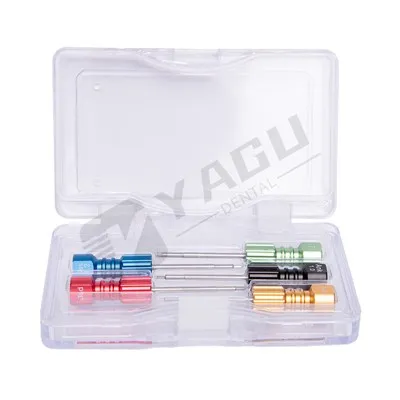
Hey there! I'm an implant parts supplier, and today I wanna chat about the challenges we face in the development of implant parts. It's a wild ride, let me tell you.
1. Technological Hurdles
First off, technology is advancing at breakneck speed. We're constantly trying to keep up with the latest manufacturing techniques. For instance, precision machining is a must - have in the implant parts industry. We need to make parts that fit perfectly, with tolerances measured in micrometers. One tiny mistake, and the whole implant might not work as it should.
3D printing is another area that's both a blessing and a curse. On one hand, it allows us to create complex shapes that were impossible to make with traditional methods. We can customize implant parts for individual patients, which is a huge step forward in personalized medicine. But on the other hand, 3D printing technology is still evolving. The materials used in 3D printing for implant parts need to be biocompatible, strong, and durable. Finding the right combination of materials and printing parameters is like walking a tightrope.
We're also looking into nanotechnology. Nanocoatings can improve the biocompatibility of implant parts, reducing the risk of rejection by the body. However, working at the nanoscale is extremely challenging. It requires specialized equipment and a high level of expertise. Controlling the properties of these nanocoatings precisely is no easy feat.
2. Regulatory Compliance
Regulatory bodies play a crucial role in the development of implant parts. We have to meet a ton of strict regulations to ensure the safety and effectiveness of our products. These regulations vary from country to country, which makes it even more complicated.


For example, in the United States, the Food and Drug Administration (FDA) has a rigorous approval process for medical devices, including implant parts. We need to conduct extensive pre - clinical and clinical trials to prove that our products are safe and work as intended. This process can take years and cost a fortune.
In Europe, the Medical Device Regulation (MDR) has tightened the requirements for medical device manufacturers. We have to provide detailed documentation about the design, manufacturing, and testing of our implant parts. Any non - compliance can result in hefty fines or even the suspension of our business.
Keeping up with these changing regulations is a full - time job. We need to have a dedicated team to monitor the regulatory environment and make sure our products meet all the requirements.
3. Cost - effectiveness
Balancing quality and cost is a constant challenge in the development of implant parts. High - quality materials and advanced manufacturing processes come with a high price tag. But at the same time, we need to keep our prices competitive in the market.
Patients and healthcare providers are always looking for cost - effective solutions. We can't just keep raising the prices of our implant parts. We need to find ways to reduce costs without compromising on quality.
One way is to optimize our manufacturing processes. By streamlining our production lines and reducing waste, we can save a significant amount of money. We're also looking into alternative materials that are more affordable but still meet the required standards.
However, cost - cutting measures need to be carefully evaluated. We can't sacrifice the safety and performance of our implant parts for the sake of saving a few bucks.
4. Competition
The implant parts market is highly competitive. There are many suppliers out there, all vying for a share of the pie. Standing out from the crowd is not easy.
We need to offer high - quality products with excellent customer service. Our competitors are also constantly innovating, so we have to stay one step ahead. Developing unique features and technologies for our implant parts is essential.
For example, Straumann Ti Base is a popular product in the market. To compete with it, we need to offer something better, whether it's a more comfortable design or a lower price.
We also need to build strong relationships with our customers. Providing after - sales support and training can make a big difference. Word - of - mouth is still a powerful marketing tool in the medical industry.
5. Supply Chain Disruptions
The supply chain for implant parts is complex and vulnerable to disruptions. We rely on multiple suppliers for raw materials, components, and equipment. Any disruption in the supply chain can have a significant impact on our production.
For instance, the COVID - 19 pandemic caused major disruptions in the global supply chain. Lockdowns, transportation restrictions, and factory closures affected the availability of raw materials and components. We had to find alternative suppliers quickly to keep our production going.
Natural disasters, political instability, and trade disputes can also disrupt the supply chain. We need to have a contingency plan in place to deal with these situations. This might involve diversifying our supplier base, stockpiling essential materials, and building closer relationships with our suppliers.
6. Quality Control
Ensuring the quality of our implant parts is non - negotiable. One defective part can have serious consequences for the patient. We need to have a comprehensive quality control system in place.
This includes inspecting raw materials before they are used in production, monitoring the manufacturing process at every step, and conducting final product testing. We use advanced testing equipment, such as X - ray machines and ultrasonic testing devices, to detect any defects or flaws in our implant parts.
However, quality control is not just about testing. It's also about having a quality - conscious culture within our organization. Every employee needs to understand the importance of quality and take responsibility for it.
7. Education and Training
The field of implant parts is constantly evolving, and our employees need to keep up with the latest knowledge and skills. We need to provide regular education and training programs for our staff.
This includes training on new manufacturing technologies, regulatory requirements, and quality control procedures. We also need to train our sales and customer service teams to better understand the products and meet the needs of our customers.
However, providing education and training can be expensive and time - consuming. We need to find the right balance between investing in our employees' development and managing our costs.
Contact for Purchase and洽谈
Despite all these challenges, we're committed to providing high - quality implant parts. If you're interested in our products, such as Dentium Lab Model Analog or Castable Implant Abutment, don't hesitate to reach out. We're here to discuss your specific needs and find the best solutions for you. Let's work together to make a difference in the field of implant medicine.
References
- International Organization for Standardization (ISO). Medical device standards.
- Food and Drug Administration (FDA). Regulations for medical devices.
- European Union Medical Device Regulation (MDR).