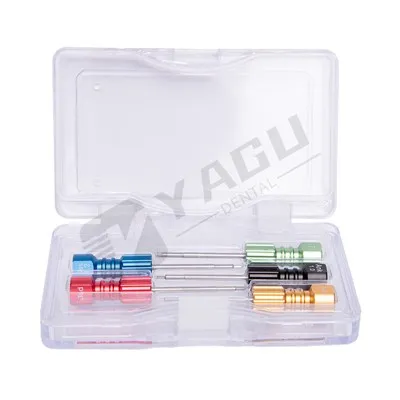
Hey there! As a dental implant tools supplier, I've seen firsthand the importance of using these tools correctly. In this blog post, I'm gonna share some of the best practices for using dental implant tools, so you can get the most out of your equipment and provide the best care for your patients.
Pre - use Preparation
Before you even start using any dental implant tools, it's crucial to do a proper pre - use check. First off, make sure the tools are clean. You don't want any debris or bacteria from previous use getting into the patient's mouth. A thorough cleaning with the right disinfectants is a must.
Inspect the tools for any signs of damage. For example, if you're using a Dental Implant Screwdriver, check the tip for wear and tear. A damaged tip can lead to improper tightening of the implant, which can cause all sorts of problems down the line.
Also, organize your tools in an orderly manner. Having a well - organized tray with all the necessary tools at hand can save you a lot of time during the procedure. You don't want to be fumbling around looking for a specific tool when you're in the middle of an implant placement.
Sterilization
Sterilization is non - negotiable when it comes to dental implant tools. You need to follow the manufacturer's instructions for sterilization methods. Autoclaving is one of the most common and effective ways to sterilize dental tools. Make sure you set the correct temperature and time settings.
Don't forget to use appropriate sterilization pouches. These pouches help maintain the sterility of the tools until they're ready to be used. And always label the pouches with the date of sterilization and the name of the tool. This way, you can keep track of when the tools were last sterilized and avoid using expired ones.
Handling the Tools
When handling dental implant tools, always use a gentle touch. These tools are precision instruments, and rough handling can damage them. For example, when using Implant Screw Drivers, apply just the right amount of force. Too much force can strip the screw threads, while too little can result in a loose implant.
Hold the tools correctly. Each tool has a specific way of being held to ensure maximum control and accuracy. Practice holding the tools in the correct position during training sessions so that it becomes second nature during actual procedures.
Using the Bone Chip Maker
The Bone Chip Maker is a really useful tool in dental implant procedures. When using it, make sure you understand the anatomy of the patient's jawbone. You need to know where to take the bone chips from without causing any damage to the surrounding structures.
Adjust the settings of the bone chip maker according to the patient's bone density. Different patients may have different bone densities, and you need to use the appropriate settings to get the best results. After using the bone chip maker, clean it immediately to prevent any bone debris from clogging the tool.
Maintenance
Regular maintenance of dental implant tools is key to their longevity. After each use, clean the tools as soon as possible. This helps prevent the build - up of blood, saliva, and other substances that can corrode the tools.
Sharpen the cutting edges of the tools regularly. Dull cutting edges can make the procedure more difficult and can also cause more trauma to the patient's tissues. Follow the manufacturer's guidelines on how to sharpen the tools correctly.


Store the tools in a proper storage case. This protects them from dust, moisture, and physical damage. Make sure the storage case is clean and dry before putting the tools away.
Training and Education
It's essential for dental professionals to receive proper training on using dental implant tools. New tools and techniques are constantly being developed, and staying updated is crucial. Attend workshops and training courses to learn the latest best practices.
Encourage your team members to also participate in training. A well - trained team can work together more efficiently during implant procedures. You can also share knowledge within your team by having regular meetings to discuss any new findings or experiences with the tools.
Documentation
Keep detailed records of tool usage. This includes the date of use, the patient for whom the tool was used, and any issues or observations during the procedure. Documentation can be really helpful for quality control and for identifying any patterns of tool failure.
For example, if you notice that a particular Dental Implant Screwdriver is causing problems with multiple patients, you can investigate further and take appropriate action, such as replacing the tool or having it repaired.
Quality Control
Implement a quality control system for your dental implant tools. This can involve regular inspections of the tools to ensure they meet the required standards. You can also have a system in place for reporting any tool - related issues.
When purchasing new tools, buy from reputable suppliers. This reduces the risk of getting low - quality tools that may not perform well or may pose a risk to the patient.
Patient Communication
Before using any dental implant tools on a patient, communicate with them about the procedure. Explain what the tools are and how they will be used. This helps alleviate any fears or concerns the patient may have.
During the procedure, keep the patient informed about what's going on. Let them know when you're using a particular tool and what it's for. Good patient communication can improve the overall patient experience and build trust.
Conclusion
Using dental implant tools correctly is essential for successful implant procedures and patient safety. By following these best practices, you can ensure that your tools are in top condition, that you're using them effectively, and that you're providing the best care for your patients.
If you're in the market for high - quality dental implant tools, we're here to help. We offer a wide range of tools, including Dental Implant Screwdriver, Implant Screw Drivers, and Bone Chip Maker. Feel free to reach out to us to discuss your needs and start a purchase negotiation.
References
- ADA (American Dental Association). Guidelines for Sterilization and Disinfection in Dental Settings.
- Manufacturer's instructions for various dental implant tools.
- Journal of Dental Implantology research articles on tool usage and best practices.