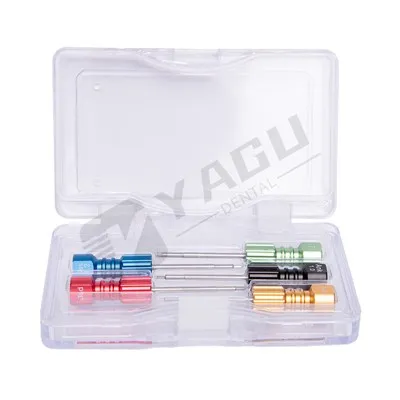
As a supplier of Osstem Temporary Abutment, I understand the importance of ensuring that these products function optimally in the dental field. Osstem Temporary Abutments are crucial components in dental implant procedures, and when problems arise, it can disrupt the treatment process. In this blog, I will share some effective ways to troubleshoot common issues with Osstem Temporary Abutments.
1. Loosening of the Abutment
One of the most frequently encountered problems is the loosening of the Osstem Temporary Abutment. This can be caused by several factors.
Inadequate Torque Application
During the installation of the abutment, if the appropriate torque is not applied, the abutment may not be securely fastened to the implant. It is essential to use a torque wrench to ensure that the correct amount of force is applied as specified by the manufacturer. For Osstem Temporary Abutments, the recommended torque values can usually be found in the product manual. If the abutment has already loosened, carefully remove it using the appropriate removal tool. Clean the implant interface and the abutment thoroughly to remove any debris or contaminants. Then, re - install the abutment, applying the correct torque.
Occlusal Interferences
Excessive or uneven occlusal forces can also lead to abutment loosening. When a patient bites down, if there are areas of premature contact or excessive stress on the temporary abutment, it can gradually cause the abutment to become loose. To troubleshoot this issue, a detailed occlusal analysis should be performed. This can involve using articulating paper to identify areas of contact. Once the occlusal interferences are located, they can be adjusted by carefully grinding the opposing teeth or the restoration on the temporary abutment. It is important to make these adjustments gradually and re - check the occlusion after each adjustment to ensure a balanced bite.
2. Abutment Fracture
Abutment fracture is a more serious problem that can occur due to various reasons.

Material Defects
Although Osstem is a well - known and reliable brand, there is still a very small possibility of material defects in the temporary abutments. If a fracture occurs soon after installation and there is no apparent external cause, it is possible that the abutment has a manufacturing defect. In such cases, it is advisable to contact the manufacturer's technical support team. They can assist in determining whether the fracture is due to a defect and provide a replacement abutment if necessary.

Excessive Force
Excessive biting forces or trauma to the abutment can also cause it to fracture. For example, if a patient accidentally bites on a hard object or experiences a blow to the face, the temporary abutment may break. In these situations, the fractured abutment needs to be removed carefully. Depending on the condition of the implant, a new temporary abutment can be installed. However, it is important to evaluate the overall stability of the implant and the oral environment to ensure that the new abutment will not be subjected to the same excessive forces. If necessary, additional measures such as splinting or adjusting the patient's diet may be recommended.
3. Soft Tissue Irritation
Soft tissue irritation around the Osstem Temporary Abutment is another common problem.
Poor Abutment Design or Fit
If the abutment has a rough surface or an improper shape, it can irritate the surrounding soft tissues. The soft tissues in the oral cavity are very sensitive, and even minor irregularities on the abutment can cause inflammation and discomfort. To address this issue, the abutment should be inspected for any visible defects. If there are rough edges, they can be smoothed using appropriate dental instruments. In some cases, if the fit of the abutment is incorrect, it may need to be replaced with a more suitable one.
Biofilm Accumulation
Biofilm, which consists of bacteria and other microorganisms, can accumulate on the surface of the abutment over time. This biofilm can cause inflammation and irritation of the soft tissues. To prevent and treat biofilm - related irritation, proper oral hygiene is essential. Patients should be instructed to clean the area around the temporary abutment thoroughly using a soft - bristled toothbrush and an antibacterial mouthwash. In addition, professional cleaning by a dentist or dental hygienist may be required at regular intervals.
4. Incompatibility with Other Components
Sometimes, problems can arise due to incompatibility between the Osstem Temporary Abutment and other dental components.
Incompatible Screws
Using the wrong type of screw to attach the abutment to the implant can lead to problems. The screw should be of the correct size, shape, and material as specified by the manufacturer. If there are issues with the screw, such as difficulty in tightening or loosening, it is likely that an incompatible screw has been used. In this case, the incorrect screw should be removed and replaced with the appropriate one. For more information on compatible screws, you can refer to our Dentium Abutment Screw.

Incompatible Scanbodies or Castable Abutments
When using scanbodies or castable abutments in conjunction with the Osstem Temporary Abutment, compatibility is crucial. If there are problems with taking accurate scans or creating proper restorations, it may be due to incompatibility. Our Dentium Peek Scanbody and Dentium Multi Unit Castable Abutment are designed to be compatible with a wide range of dental implants and abutments, including Osstem products. However, it is always important to double - check the compatibility before use.
5. Difficulty in Removal
In some cases, it may be difficult to remove the Osstem Temporary Abutment.
Corrosion or Sealing
Over time, corrosion can occur at the interface between the abutment and the implant, making it difficult to remove the abutment. Additionally, if a sealing agent has been used and it has hardened excessively, it can also pose a problem. To address this, special removal tools may be required. These tools are designed to apply the right amount of force in a controlled manner to loosen the abutment. In some cases, it may be necessary to use a solvent or a corrosion - removing agent to dissolve the corrosion or soften the sealing agent. However, this should be done with caution to avoid damaging the implant or the surrounding tissues.
Improper Installation
If the abutment was not installed correctly in the first place, it may be difficult to remove. For example, if the abutment was installed at an incorrect angle or if there was debris in the implant - abutment interface during installation, it can cause binding. In such cases, a detailed inspection of the installation is required. The dentist may need to use a microscope or other diagnostic tools to determine the cause of the difficulty. Once the problem is identified, appropriate measures can be taken to correct it and remove the abutment.
Contact for Procurement and Further Assistance
If you are facing any problems with Osstem Temporary Abutments or are interested in purchasing high - quality dental products, we are here to help. Our team of experts has extensive experience in the dental field and can provide you with professional advice and solutions. Whether you need assistance with troubleshooting or are looking to place an order, please feel free to contact us. We are committed to providing you with the best products and services to meet your dental needs.

References
- Osstem Product Manuals
- Dental Implant Literature on Abutment Troubleshooting
- Professional Dental Journals on Oral Rehabilitation and Implant Dentistry