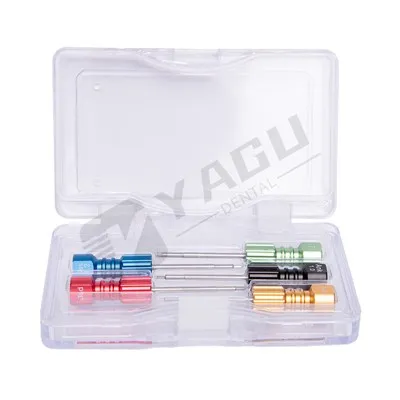
Nobel Ti Base, a widely recognized component in the dental implant field, offers numerous benefits such as excellent biocompatibility, high strength, and long - term stability. However, like any medical device, it comes with potential risks that need to be carefully managed. As a supplier of Nobel Ti Base, I understand the importance of providing comprehensive information to our customers to ensure the safe and effective use of our products. In this blog, I will share some strategies on how to manage the potential risks associated with using Nobel Ti Base.
1. Pre - implantation Assessment
Before using Nobel Ti Base, a thorough pre - implantation assessment is crucial. This includes a detailed patient history review, oral examination, and imaging studies.
- Patient History Review: A patient's medical history can significantly impact the success of the implant procedure. Conditions such as diabetes, osteoporosis, and smoking can increase the risk of implant failure. For example, diabetes can impair the body's immune response and wound - healing ability, making the patient more susceptible to infections around the implant. By reviewing the patient's medical history, dentists can identify these risk factors and take appropriate measures, such as optimizing the patient's blood sugar control before the procedure.
- Oral Examination: A comprehensive oral examination helps to evaluate the condition of the patient's teeth, gums, and jawbone. Factors such as periodontal disease, insufficient bone volume, and malocclusion can pose risks to the implant. If periodontal disease is present, it should be treated before implant placement to prevent the spread of infection to the implant site. In cases of insufficient bone volume, bone grafting procedures may be necessary to provide a stable foundation for the Nobel Ti Base.
- Imaging Studies: Radiographic imaging, such as panoramic X - rays, CT scans, and CBCT (Cone - Beam Computed Tomography), provides detailed information about the bone structure, nerve location, and sinus anatomy. These images help dentists to accurately plan the implant placement, avoiding vital structures and ensuring proper positioning of the Nobel Ti Base. For instance, a CBCT scan can provide three - dimensional images that allow for precise measurement of the bone density and volume, enabling the selection of the appropriate implant size and type.
2. Proper Implant Placement Technique
The success of a Nobel Ti Base implant largely depends on the proper placement technique.
- Surgical Skills: The dentist performing the implant procedure should have adequate training and experience in dental implant surgery. They should be familiar with the anatomical structures of the oral cavity and be able to use the appropriate surgical instruments. A well - trained dentist can minimize the risk of complications such as nerve damage, sinus perforation, and improper implant positioning.
- Surgical Planning: Based on the pre - implantation assessment, a detailed surgical plan should be developed. This includes determining the optimal implant location, angulation, and depth. The use of surgical guides, which can be fabricated based on the CBCT scan data, can improve the accuracy of implant placement. Surgical guides ensure that the Nobel Ti Base is placed in the correct position, reducing the risk of implant - to - implant or implant - to - tooth interference.
- Implant Selection: Choosing the right size and type of Nobel Ti Base is essential. The implant should be selected based on the patient's bone quality, quantity, and the location of the implant site. For example, in areas with dense bone, a narrower - diameter implant may be sufficient, while in areas with poor bone quality, a wider - diameter implant may be required to provide better stability.
3. Post - implantation Care
After the Nobel Ti Base is implanted, proper post - implantation care is necessary to ensure its long - term success.


- Oral Hygiene: Maintaining good oral hygiene is crucial to prevent infections around the implant. Patients should be instructed to brush their teeth at least twice a day using a soft - bristled toothbrush and fluoride toothpaste. They should also use interdental brushes or floss to clean the spaces between the teeth and around the implant. Regular dental check - ups and professional cleanings are also important to monitor the health of the implant and the surrounding tissues.
- Medication Management: In some cases, patients may be prescribed antibiotics and pain medications after the implant procedure. It is important for patients to take these medications as directed by their dentist. Antibiotics help to prevent infections, while pain medications can relieve discomfort. However, patients should also be aware of the potential side effects of these medications and report any unusual symptoms to their dentist.
- Follow - up Visits: Regular follow - up visits allow the dentist to monitor the healing process of the implant site and detect any potential problems early. During these visits, the dentist may perform clinical examinations, take radiographs, and assess the patient's oral hygiene. If any complications are detected, such as implant mobility, peri - implantitis, or bone loss, appropriate treatment can be initiated promptly.
4. Management of Potential Complications
Despite taking all the necessary precautions, complications may still occur during or after the use of Nobel Ti Base. Here are some common complications and their management strategies.
- Infection: Peri - implantitis is a common complication that can occur due to poor oral hygiene, bacterial infection, or a compromised immune system. Symptoms of peri - implantitis include swelling, pain, bleeding, and bone loss around the implant. Treatment may involve professional cleaning of the implant surface, the use of antibiotics, and in severe cases, surgical intervention to remove the infected tissue and restore the health of the implant site.
- Implant Failure: Implant failure can be caused by factors such as poor bone quality, improper implant placement, or excessive occlusal forces. If an implant fails, it may need to be removed, and the patient may require a new implant after the site has healed. In some cases, bone grafting may be necessary before a new implant can be placed.
- Nerve Damage: Nerve damage can occur during the implant placement procedure, especially in the lower jaw where the inferior alveolar nerve is located. Symptoms of nerve damage include numbness, tingling, or loss of sensation in the lips, chin, or tongue. In most cases, nerve damage is temporary and resolves within a few weeks or months. However, in severe cases, it may be permanent. Treatment may involve the use of medications to relieve symptoms and physical therapy to promote nerve regeneration.
5. Product Quality and Safety
As a supplier of Nobel Ti Base, we are committed to ensuring the quality and safety of our products.
- Quality Control: Our products undergo strict quality control measures at every stage of the manufacturing process. We use high - quality titanium materials that meet the international standards for dental implants. The manufacturing process is carried out in a clean and controlled environment to prevent contamination.
- Product Certification: Our Nobel Ti Base products are certified by relevant regulatory authorities, which ensures that they meet the necessary safety and quality requirements. We also provide our customers with detailed product information, including the product specifications, usage instructions, and safety warnings.
6. Collaboration with Dental Professionals
We believe in collaborating closely with dental professionals to manage the potential risks of using Nobel Ti Base.
- Training and Education: We offer training courses and educational resources to dental professionals to enhance their knowledge and skills in dental implant surgery. These courses cover topics such as pre - implantation assessment, surgical techniques, post - implantation care, and complication management. By providing continuous education, we help dentists to stay updated with the latest advancements in dental implant technology and improve the outcomes of their implant procedures.
- Technical Support: Our company provides technical support to dental professionals. We have a team of experts who can answer questions, provide advice on product selection and usage, and assist with troubleshooting. Whether it's a question about the surgical technique or a problem with the implant, our technical support team is available to help.
Related Products and Their Role in Risk Management
In addition to the Nobel Ti Base, there are other related products that can play a role in managing the potential risks associated with dental implants.
- Temporary Abutment: Temporary abutments are used during the healing period after the Nobel Ti Base is implanted. They help to protect the implant site and guide the soft tissue healing. By providing a stable platform for the soft tissue to grow around, temporary abutments can reduce the risk of soft tissue complications and improve the esthetic outcome of the final restoration.
- Osstem Multi Unit 3D Analog: Osstem Multi Unit 3D Analog is a useful tool for laboratory technicians during the fabrication of the final restoration. It allows for accurate replication of the implant position and angulation, ensuring a precise fit of the restoration. A well - fitting restoration can distribute the occlusal forces evenly, reducing the risk of implant overload and failure.
- Osstem Transfer Impression Coping: Osstem Transfer Impression Coping is used to take accurate impressions of the implant site. Accurate impressions are essential for the fabrication of a well - fitting restoration. By using the Osstem Transfer Impression Coping, dentists can obtain precise impressions, which can improve the accuracy of the final restoration and reduce the risk of complications related to improper restoration fit.
In conclusion, managing the potential risks of using Nobel Ti Base requires a comprehensive approach that includes pre - implantation assessment, proper implant placement technique, post - implantation care, management of potential complications, ensuring product quality and safety, and collaborating with dental professionals. By following these strategies, we can minimize the risks and improve the long - term success of Nobel Ti Base implants.
If you are interested in purchasing Nobel Ti Base or have any questions about our products, please feel free to contact us for procurement and negotiation. We are committed to providing you with high - quality products and excellent service.
References
- Misch CE. Dental Implant Prosthetics. Elsevier Health Sciences; 2010.
- Buser D, Mericske - Stern R, Bernard JP, et al. Optimizing esthetics for implant restorations in the anterior maxilla: anatomic and surgical considerations. Int J Oral Maxillofac Implants. 2004;19 Suppl:43 - 61.
- Tarnow DP, Cho SC, Wallace SS. The effect of the inter - implant distance on the height of the inter - implant bone crest. J Periodontol. 2000;71(4):546 - 549.