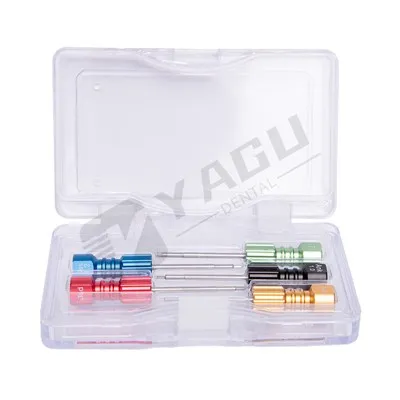
Hey there! As a supplier of implant abutments, I often get asked about the proper way to store these important dental components before use. In this blog post, I'll share some tips and best practices based on my experience in the industry.
First off, let's talk about why proper storage is so crucial. Implant abutments are precision-engineered parts that need to be kept in optimal condition to ensure their performance and longevity. Any damage or contamination during storage can compromise the quality of the abutment and potentially lead to issues during the implantation process.
Understanding the Basics of Implant Abutment Storage
When it comes to storing implant abutments, the key is to create an environment that protects them from physical damage, corrosion, and contamination. Here are some general guidelines to keep in mind:
- Keep them clean: Before storing the abutments, make sure they are thoroughly cleaned and dried. This helps prevent the buildup of debris, bacteria, and other contaminants that could affect their performance.
- Use appropriate packaging: Implant abutments should be stored in their original packaging or in a clean, sealed container. This helps protect them from dust, moisture, and other environmental factors.
- Store in a cool, dry place: High temperatures and humidity can cause corrosion and damage to the abutments. It's best to store them in a cool, dry place away from direct sunlight and sources of heat.
- Avoid contact with other objects: To prevent scratches and damage, it's important to store the abutments separately from other objects. You can use individual compartments or trays to keep them organized.
Specific Storage Recommendations for Different Types of Implant Abutments
Not all implant abutments are created equal, and different types may require specific storage conditions. Here are some recommendations for common types of abutments:
- Multi Unit Abutment: These abutments are designed to connect multiple implants and require careful handling. Store them in a secure container to prevent them from shifting or getting damaged.
- Angled Abutment Dental Implant and Angled Abutment Implant: Angled abutments have a specific shape and orientation, so it's important to store them in a way that maintains their alignment. Use a tray or holder that keeps them in place.
Handling and Transporting Implant Abutments
In addition to proper storage, it's also important to handle and transport implant abutments carefully. Here are some tips to keep in mind:
- Use clean gloves: When handling the abutments, always wear clean gloves to prevent contamination.
- Avoid dropping or banging them: Implant abutments are delicate and can be easily damaged if dropped or banged. Handle them with care and avoid rough handling.
- Use a protective case: If you need to transport the abutments, use a protective case that provides cushioning and protection. This helps prevent damage during transit.
Quality Control and Inspection
Before using an implant abutment, it's important to perform a quality control inspection to ensure that it is in good condition. Here are some things to look for:


- Visual inspection: Check the abutment for any signs of damage, such as scratches, cracks, or corrosion.
- Functionality test: Make sure the abutment fits properly and functions as intended. This may involve testing the connection to the implant or checking the alignment.
- Documentation: Verify that the abutment comes with the necessary documentation, such as a certificate of sterilization or a product warranty.
Conclusion
Proper storage of implant abutments is essential to ensure their quality and performance. By following the tips and recommendations outlined in this blog post, you can help protect your abutments from damage and contamination and ensure that they are ready for use when needed.
If you're in the market for high-quality implant abutments, I'd love to hear from you. As a trusted supplier in the industry, I offer a wide range of abutments to meet your needs. Whether you're looking for Multi Unit Abutment, Angled Abutment Dental Implant, or Angled Abutment Implant, I've got you covered.
Feel free to reach out to me to discuss your requirements and learn more about our products. I'm here to help you find the right solutions for your dental practice.
References
- Dental Implant Abutments: A Review of the Literature. Journal of Oral Implantology.
- Best Practices for Implant Abutment Storage and Handling. International Journal of Oral and Maxillofacial Implants.