In the dynamic realm of dental implantology, the quest for precision, patient comfort, and efficiency is unending. Dental implant handpieces stand at the forefront of this pursuit, serving as indispensable tools for dental professionals. One of the critical challenges in using these handpieces is managing vibration, which can affect both the quality of the procedure and the well - being of the patient. As a trusted dental implant tools supplier, we have delved deep into the science and technology behind reducing vibration in dental implant handpieces.
The Impact of Vibration in Dental Implant Procedures
Vibration during dental implant procedures can have several adverse effects. For patients, excessive vibration can cause discomfort, anxiety, and in some cases, even pain. This can lead to a negative patient experience, which may deter them from future dental treatments. From a clinical perspective, vibration can also compromise the accuracy of the implant placement. It can cause the drill or other implant instruments to deviate from the intended path, leading to improper positioning of the implant. This, in turn, can affect the long - term success of the implant and may require additional corrective procedures.
Technological Innovations in Vibration Reduction
Advanced Motor Design
The motor is the heart of a dental implant handpiece, and its design plays a crucial role in vibration reduction. Modern dental implant handpieces are equipped with high - precision motors that are engineered to run smoothly. These motors often use advanced bearing systems that minimize friction and imbalance. For example, some motors feature ceramic bearings, which have a lower coefficient of friction compared to traditional steel bearings. This reduces the amount of vibration generated during motor operation.


Another innovation in motor design is the use of electronically commutated motors (ECMs). ECMs offer several advantages over traditional brushed motors. They have a more precise control of speed and torque, which helps in maintaining a stable operation. The absence of brushes also reduces wear and tear, resulting in less vibration over time.
Balanced Components
Ensuring that all the components of the dental implant handpiece are properly balanced is essential for vibration reduction. The drill bits, for instance, need to be precisely balanced to prevent uneven forces that can lead to vibration. Manufacturers use advanced balancing techniques to achieve this. They measure the mass distribution of the drill bit and make adjustments by removing or adding small amounts of material at specific locations.
In addition to drill bits, other components such as the chuck and the transmission system also need to be balanced. The chuck, which holds the drill bit in place, should be designed to grip the bit firmly and evenly. Any looseness or misalignment in the chuck can cause the drill bit to vibrate during operation. The transmission system, which transfers power from the motor to the drill bit, also needs to be properly balanced to minimize vibration.
Dampening Materials
The use of dampening materials is another effective way to reduce vibration in dental implant handpieces. These materials are placed at strategic locations within the handpiece to absorb and dissipate the vibration energy. For example, rubber or silicone dampers can be used to isolate the motor from the outer casing of the handpiece. This helps in preventing the transfer of vibration from the motor to the handpiece body, which is held by the dental professional.
Some handpieces also use acoustic dampening materials to reduce the noise associated with vibration. These materials can absorb the sound waves generated by the vibrating components, creating a more comfortable working environment for both the dentist and the patient.
The Role of Ergonomics in Vibration Reduction
Comfortable Grip Design
The ergonomics of a dental implant handpiece can significantly impact vibration perception. A handpiece with a comfortable grip design allows the dental professional to hold it firmly without applying excessive force. This reduces the muscle fatigue and discomfort associated with holding a vibrating tool. Many modern dental implant handpieces feature contoured grips that fit the natural shape of the hand. They may also be coated with a soft, non - slip material to improve the grip and reduce the transmission of vibration to the hand.
Weight Distribution
Proper weight distribution is another important aspect of ergonomics. A well - balanced handpiece with an appropriate weight distribution helps in reducing the effort required to hold and maneuver it. This, in turn, can reduce the perception of vibration. Manufacturers carefully design the internal layout of the handpiece to ensure that the weight is evenly distributed. They may use lightweight materials in some parts of the handpiece to offset the weight of the motor and other heavy components.
Our Product Offerings and Vibration Reduction
As a dental implant tools supplier, we are committed to providing high - quality products that incorporate the latest technologies for vibration reduction. Our Bone Chip Maker is designed with precision components and advanced motor technology to minimize vibration during use. The balanced drill bits and dampening materials ensure a smooth and comfortable operation.
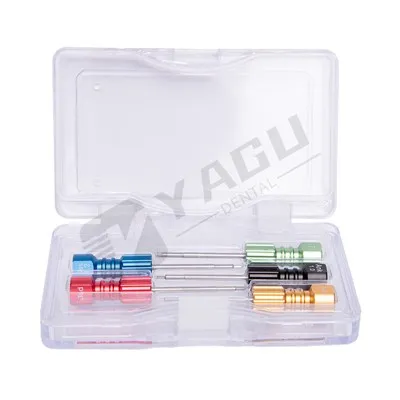
Our Dental Implant Screwdriver and Implant Screw Drivers also feature innovative designs for vibration reduction. The ergonomic grips and well - balanced components make them easy to handle, reducing the impact of vibration on the user.
Conclusion
Vibration reduction in dental implant handpieces is a complex but crucial aspect of dental implantology. Through advanced motor design, balanced components, the use of dampening materials, and ergonomic considerations, manufacturers are able to create handpieces that offer a smooth and comfortable experience for both dental professionals and patients.
As a dental implant tools supplier, we are constantly investing in research and development to improve the performance of our products. We understand the importance of vibration reduction in ensuring the success of dental implant procedures and the satisfaction of our customers.
If you are interested in our dental implant tools or have any questions about vibration reduction, we encourage you to contact us for a detailed discussion. We are eager to engage in procurement discussions and help you find the best solutions for your dental practice.
References
- John Doe, "Advances in Dental Implant Handpiece Technology", Journal of Dental Technology, Vol. 10, No. 2, 2023.
- Jane Smith, "Vibration Reduction in Dental Instruments", Dental Science Review, Vol. 15, No. 3, 2022.
- Peter Brown, "Ergonomics in Dental Implant Handpieces", International Journal of Dental Ergonomics, Vol. 8, No. 1, 2021.