Hey there, dental professionals! As a supplier of dental implant tools, I've been deeply involved in the world of dental implants. One question that often comes up in our discussions is how dental implant burs affect the bone quality during drilling. Today, I'm going to share some insights on this topic based on my experience and the latest research.
The Basics of Dental Implant Drilling
First off, let's talk about the drilling process. When placing a dental implant, the dentist uses a series of burs to create a precise hole in the jawbone. This hole is where the implant will be placed. The quality of the bone at the implant site is crucial for the success of the implant. A healthy bone provides a stable foundation for the implant, allowing it to integrate properly and function effectively.
Factors Affecting Bone Quality During Drilling
Now, let's dive into how dental implant burs can impact bone quality. There are several factors to consider, including the design of the bur, the drilling speed, and the cooling method.
Bur Design
The design of the dental implant bur plays a significant role in how it interacts with the bone. Burs come in various shapes and sizes, each designed for a specific purpose. For example, some burs are designed to cut through hard bone, while others are better suited for softer bone. The cutting edges of the bur can also affect the quality of the bone. A sharp bur will make cleaner cuts, minimizing damage to the surrounding bone tissue. On the other hand, a dull bur may cause more friction and heat, which can lead to bone necrosis (death of bone cells).
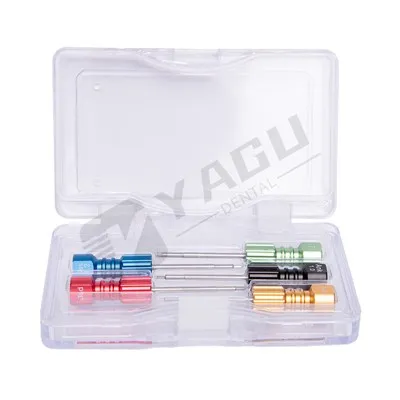
At our company, we offer a wide range of Dental Implant Screwdriver and Implant Screw Drivers that are designed with precision and quality in mind. Our burs are made from high-quality materials and have sharp cutting edges to ensure a clean and efficient drilling process.
Drilling Speed
The speed at which the bur rotates during drilling is another important factor. Drilling too fast can generate excessive heat, which can damage the bone. Heat can cause the bone to lose its vitality, making it less likely to integrate with the implant. On the other hand, drilling too slowly can also be problematic, as it may cause the bur to clog with bone debris, leading to uneven drilling and potential damage to the bone.
Most dentists recommend using a drilling speed between 500 and 2000 revolutions per minute (RPM), depending on the type of bone and the size of the bur. It's important to follow the manufacturer's recommendations for the specific bur being used to ensure optimal drilling speed.
Cooling Method
Cooling the bur during drilling is essential to prevent overheating and damage to the bone. Water irrigation is the most common cooling method used in dental implant surgery. The water helps to dissipate the heat generated by the drilling process and flushes away the bone debris, keeping the bur clean and the drilling site clear.
In addition to water irrigation, some dentists also use air cooling or a combination of air and water cooling. The choice of cooling method depends on the specific needs of the patient and the type of drilling being performed.
The Impact of Bone Quality on Implant Success
The quality of the bone at the implant site has a direct impact on the success of the dental implant. A healthy bone provides a stable foundation for the implant, allowing it to integrate properly and function effectively. On the other hand, poor bone quality can lead to implant failure, which may require additional surgery and treatment.
Factors that can affect bone quality include age, genetics, diet, and lifestyle. For example, older patients may have lower bone density, making it more difficult for the implant to integrate. Patients with certain medical conditions, such as osteoporosis, may also have poor bone quality.


As a dental implant tools supplier, we understand the importance of providing high-quality tools that can help dentists achieve the best possible results. Our Bone Chip Maker is designed to collect bone chips during drilling, which can be used for bone grafting procedures. This can help to improve the bone quality at the implant site and increase the chances of implant success.
Choosing the Right Dental Implant Burs
When choosing dental implant burs, it's important to consider the specific needs of the patient and the type of drilling being performed. Here are some tips to help you choose the right burs:
- Consider the bone type: Different burs are designed for different types of bone. For example, if the patient has hard bone, you may need a bur with a more aggressive cutting edge. If the patient has soft bone, a bur with a gentler cutting edge may be more appropriate.
- Choose the right size: The size of the bur should be appropriate for the size of the implant being placed. Using a bur that is too small may result in a loose fit, while using a bur that is too large may cause damage to the bone.
- Look for quality: Invest in high-quality burs that are made from durable materials and have sharp cutting edges. Quality burs will last longer and provide better results.
- Follow the manufacturer's recommendations: Always follow the manufacturer's recommendations for the specific bur being used, including the drilling speed, cooling method, and any other instructions.
Conclusion
In conclusion, dental implant burs play a crucial role in the success of dental implant surgery. The design of the bur, the drilling speed, and the cooling method can all affect the quality of the bone during drilling. By choosing the right burs and following the proper drilling techniques, dentists can minimize damage to the bone and increase the chances of implant success.
If you're a dental professional looking for high-quality dental implant tools, we invite you to contact us to discuss your needs. Our team of experts is here to help you find the right tools for your practice and provide you with the support and guidance you need to achieve the best possible results.
References
- Misch CE. Dental Implant Prosthetics. Mosby; 2010.
- Jung RE, Hammerle CH, Buser D. Current concepts in dental implant surgery. Periodontology 2000. 2008;46(1):115-136.
- Nedir R, Bischof M, Bornstein MM, et al. Influence of drilling parameters on bone temperature during implant site preparation: an in vitro study. Clin Oral Implants Res. 2009;20(10):1063-1068.