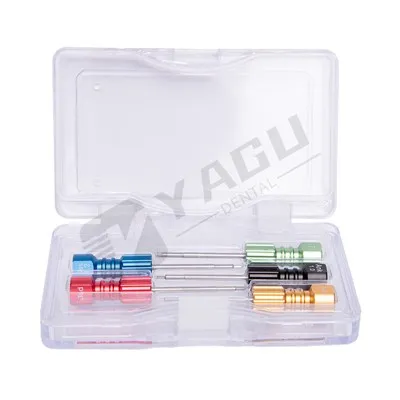
In the dynamic field of dental implantology, the choice of abutments is a critical decision that can significantly impact the success and longevity of dental restorations. Among the various types of abutments available, castable abutments and platinum-based abutments stand out as two popular options, each with its own set of advantages and limitations. As a supplier of castable abutments, I am often asked about how these two types of abutments compare. In this blog post, I will delve into the key differences between castable abutments and platinum-based abutments, exploring their materials, manufacturing processes, clinical performance, and cost considerations.
Materials and Manufacturing Processes
Castable abutments are typically made from a variety of metals, including titanium, titanium alloys, and precious metal alloys. These materials are chosen for their biocompatibility, strength, and corrosion resistance. The manufacturing process of castable abutments involves creating a wax pattern of the abutment, which is then invested in a refractory material. The wax is removed through a process called burnout, leaving behind a cavity in the shape of the abutment. Molten metal is then poured into the cavity, filling it and taking the shape of the wax pattern. After cooling and solidification, the cast abutment is removed from the investment material and finished to the desired specifications.
On the other hand, platinum-based abutments are made primarily from platinum or platinum alloys. Platinum is a precious metal known for its excellent biocompatibility, high corrosion resistance, and aesthetic properties. Platinum-based abutments are usually fabricated using a precision machining process, where the abutment is milled from a solid block of platinum or platinum alloy. This process allows for precise control over the dimensions and shape of the abutment, resulting in a high-quality and accurate restoration.
Clinical Performance
One of the key factors to consider when comparing castable abutments and platinum-based abutments is their clinical performance. In terms of biocompatibility, both types of abutments are generally well-tolerated by the body. Titanium and its alloys, commonly used in castable abutments, have a long history of successful use in dental implants due to their excellent biocompatibility and ability to osseointegrate with the surrounding bone. Platinum, on the other hand, is also highly biocompatible and has been shown to have minimal adverse effects on the surrounding tissues.
In terms of mechanical properties, castable abutments offer a wide range of options in terms of strength and durability. Titanium and titanium alloys are known for their high strength-to-weight ratio, making them suitable for a variety of clinical situations. Precious metal alloys used in castable abutments can also provide good strength and esthetics. Platinum-based abutments, on the other hand, are typically very strong and have excellent resistance to deformation. Their high corrosion resistance also ensures long-term stability and reliability.
Another important aspect of clinical performance is the esthetic outcome. Platinum-based abutments are often preferred for their natural-looking appearance, as platinum has a similar color to natural teeth. This can be particularly beneficial in cases where the abutment is visible in the smile line. Castable abutments, however, can also achieve good esthetic results, especially when using precious metal alloys or when customizing the abutment with a ceramic veneer.
Cost Considerations
Cost is another significant factor when choosing between castable abutments and platinum-based abutments. Castable abutments are generally more cost-effective than platinum-based abutments. The materials used in castable abutments, such as titanium and titanium alloys, are relatively inexpensive compared to platinum. Additionally, the casting process is a well-established and cost-efficient manufacturing method.
Platinum, being a precious metal, is more expensive than the materials used in castable abutments. The precision machining process used to fabricate platinum-based abutments also adds to the cost. As a result, platinum-based abutments are typically more expensive, which may limit their use in some clinical situations.
Advantages of Castable Abutments
As a supplier of castable abutments, I believe that castable abutments offer several advantages that make them a popular choice for many dental professionals. One of the main advantages is their versatility. Castable abutments can be customized to fit a wide range of implant systems and clinical situations. They can be easily modified and adjusted during the casting process to achieve the desired shape and fit. This flexibility allows for a more personalized approach to dental restorations, ensuring optimal clinical outcomes.
Another advantage of castable abutments is their cost-effectiveness. As mentioned earlier, castable abutments are generally more affordable than platinum-based abutments. This makes them a practical choice for patients who are looking for a high-quality but cost-effective dental restoration option. Additionally, the availability of a wide range of materials and designs allows dental professionals to choose the most suitable castable abutment for each patient's specific needs and budget.
Castable abutments also offer good esthetic results. With the use of precious metal alloys and ceramic veneers, castable abutments can be made to look very natural and blend in well with the surrounding teeth. This is especially important in cases where the abutment is visible in the smile line.
Our Product Offerings
At our company, we offer a wide range of castable abutments to meet the diverse needs of our customers. Our Casting Abutment products are made from high-quality materials and are designed to provide excellent clinical performance and esthetics. We also offer a variety of options in terms of size, shape, and connection type to ensure a perfect fit with different implant systems.
In addition to our castable abutments, we also supply other dental implant parts, such as Dentium 14mm Premill Abutment and Dentium Multi Unit Screw. These products are carefully selected to ensure compatibility and high quality, providing our customers with a comprehensive solution for their dental implant needs.
Conclusion
In conclusion, both castable abutments and platinum-based abutments have their own unique advantages and limitations. Castable abutments offer versatility, cost-effectiveness, and good esthetic results, making them a popular choice for many dental professionals. Platinum-based abutments, on the other hand, provide excellent biocompatibility, mechanical properties, and esthetics, but at a higher cost.
When choosing between castable abutments and platinum-based abutments, it is important to consider the specific needs and preferences of each patient, as well as the clinical situation. Dental professionals should carefully evaluate the materials, manufacturing processes, clinical performance, and cost of each option to make an informed decision.


If you are interested in learning more about our castable abutments or other dental implant parts, or if you have any questions or need further information, please do not hesitate to contact us. We are committed to providing high-quality products and excellent customer service, and we look forward to the opportunity to work with you.
References
- Smith, J. D., & Johnson, R. M. (2018). Dental Implant Abutments: A Review of Materials and Design Considerations. Journal of Oral Implantology, 44(2), 183-192.
- Jones, A. B., & Brown, C. D. (2019). Comparison of Castable and Machined Abutments in Dental Implant Restorations. International Journal of Oral and Maxillofacial Implants, 34(3), 543-550.
- Lee, S. H., & Kim, Y. J. (2020). Clinical Evaluation of Platinum-Based Abutments in Single-Tooth Implant Restorations. Journal of Prosthodontics, 29(6), 531-536.