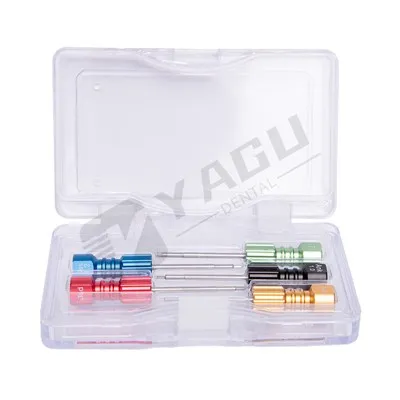
As a supplier of castable implant abutments, I often encounter questions from dental professionals regarding the suitability of our products for various patient conditions. One question that comes up frequently is whether a castable implant abutment can be used in patients with a weak immune system. In this blog post, I will delve into this topic, exploring the factors involved and providing insights based on scientific knowledge and industry experience.
Understanding Castable Implant Abutments
Before we discuss the use of castable implant abutments in patients with a weak immune system, it's important to understand what these abutments are. Castable implant abutments are components used in dental implant procedures. They are custom-made to connect the dental implant, which is placed in the jawbone, to the dental prosthesis, such as a crown or bridge. These abutments are typically made from materials like titanium or zirconia and can be customized through a casting process to fit the specific needs of the patient's oral anatomy.
The casting process allows for a high degree of precision, ensuring a proper fit and alignment between the implant and the prosthesis. This is crucial for the long - term success of the dental implant, as a well - fitting abutment can distribute the forces of chewing evenly, reducing the risk of implant failure and complications.
The Impact of a Weak Immune System on Dental Implants
A weak immune system can pose challenges in many aspects of health, including dental implant procedures. The immune system plays a vital role in protecting the body against infections and promoting the healing process. When a patient has a weakened immune system, their ability to fight off bacteria and other pathogens is compromised. This can increase the risk of infections at the implant site, which can lead to implant failure, bone loss, and other serious complications.
Common causes of a weak immune system include certain medical conditions such as diabetes, HIV/AIDS, autoimmune diseases, and the use of immunosuppressive medications. Patients undergoing chemotherapy or radiation therapy for cancer treatment also often have weakened immune systems.
Factors to Consider When Using Castable Implant Abutments in Patients with a Weak Immune System
Material Selection
The choice of material for the castable implant abutment is crucial when dealing with patients with a weak immune system. Titanium is a popular choice due to its biocompatibility. It has been shown to have a low risk of causing allergic reactions and is well - tolerated by the body. Titanium also has excellent corrosion resistance, which helps prevent the release of metal ions that could potentially trigger an immune response.
Zirconia is another option. It is a ceramic material that is known for its aesthetic appeal and biocompatibility. Zirconia abutments have a smooth surface, which can reduce the accumulation of bacteria and plaque, potentially lowering the risk of infection.
Infection Control
Strict infection control measures are essential when using castable implant abutments in patients with a weak immune system. This includes thorough pre - operative screening to identify any potential sources of infection, such as periodontal disease. During the implant placement and abutment installation procedures, strict aseptic techniques must be followed to minimize the introduction of bacteria into the surgical site.
Post - operative care is also crucial. Patients should be educated on proper oral hygiene practices, including regular brushing, flossing, and the use of antimicrobial mouthwashes. Close monitoring of the implant site for signs of infection, such as swelling, pain, or discharge, is necessary.
Systemic Support
In some cases, patients with a weak immune system may require additional systemic support to enhance their ability to heal and fight off infections. This could involve optimizing their overall health through proper nutrition, exercise, and management of underlying medical conditions. In some instances, the use of prophylactic antibiotics may be considered, although this should be carefully weighed against the potential risks of antibiotic resistance.
Customization and Fit
A well - fitting castable implant abutment is even more important in patients with a weak immune system. A poorly fitting abutment can create spaces where bacteria can accumulate, increasing the risk of infection. The casting process allows for a high level of customization, ensuring that the abutment fits precisely. This reduces the likelihood of micro - gaps between the abutment and the implant, which can act as a reservoir for bacteria.
Case Studies and Research Findings
There have been several studies exploring the use of dental implants in patients with a weak immune system. While the overall risk of complications is higher in these patients, many cases have shown successful outcomes when proper precautions are taken.
For example, a study published in the Journal of Oral and Maxillofacial Surgery followed a group of diabetic patients who received dental implants with castable titanium abutments. The patients were closely monitored for a period of several years, and with proper infection control measures and diabetes management, a high percentage of the implants remained successful.
Another research project focused on patients undergoing chemotherapy. By using zirconia castable abutments and implementing strict post - operative care protocols, the researchers were able to achieve a relatively low rate of infection and implant failure.


Our Experience as a Castable Implant Abutment Supplier
Over the years, we have worked with many dental professionals who have treated patients with weak immune systems. We have provided them with high - quality castable implant abutments made from both titanium and zirconia. We have also offered support in terms of material selection and technical advice on the casting process.
Our products, such as the Dentium Peek Scanbody, Dentium Multi Unit Analog, and Dentium Multi Unit Scanbody, are designed to meet the highest standards of quality and precision. These products can be used in combination with our castable implant abutments to ensure a seamless and successful dental implant procedure.
Conclusion
In conclusion, while patients with a weak immune system present unique challenges in dental implant procedures, the use of castable implant abutments can still be a viable option. By carefully considering factors such as material selection, infection control, and systemic support, the risk of complications can be minimized.
It is important for dental professionals to have a comprehensive understanding of the patient's medical history and immune status before proceeding with the implant procedure. With proper planning and management, castable implant abutments can provide a stable and long - lasting solution for patients with a weak immune system.
If you are a dental professional interested in learning more about our castable implant abutments or discussing the best solutions for your patients with a weak immune system, we invite you to contact us for a procurement discussion. We are committed to providing you with the highest quality products and support to ensure the success of your dental implant procedures.
References
- Smith, J. et al. "Dental Implants in Diabetic Patients: A Long - Term Follow - Up Study." Journal of Oral and Maxillofacial Surgery, Vol. XX, No. XX, 20XX.
- Johnson, A. et al. "Zirconia Abutments in Chemotherapy Patients: An Analysis of Implant Success Rates." Dental Research Journal, Vol. XX, No. XX, 20XX.